Loving Libraries, but Building Something New
I have always loved libraries. I remember visiting our local library on hot summer days to browse the collections, filling and refilling the red knapsack we kept specifically for library books.
Libraries, as a public good, are a necessary presence for helping Americans prosper and grow as an intellectual society. Caesar copied the Greeks, and we copied the Romans. Thanks to benefactors like Andrew Carnegie, nearly every town in America has a free library. That said, libraries have had to constantly keep up with changing times — offering more media options, cafes, audiobooks, e-books, and online subscriptions. If it weren't for libraries, I'd have had no third place to work and grow, and I may never have created Trove.

When people tell me that Trove is just a paid library, that’s kind of accurate. But if someone suggests I'm trying to replace libraries, I bristle at the thought. Libraries have survived plenty of changes in our world, and I can suggest with near certainty that this year won't be the one that kills them.
Trove isn't seeking to replace libraries in our lives — it's offering an alternative way to get the same books. Instead of waiting weeks or months for a new hardcover to become available, you can use Trove and have a copy delivered straight to your door.
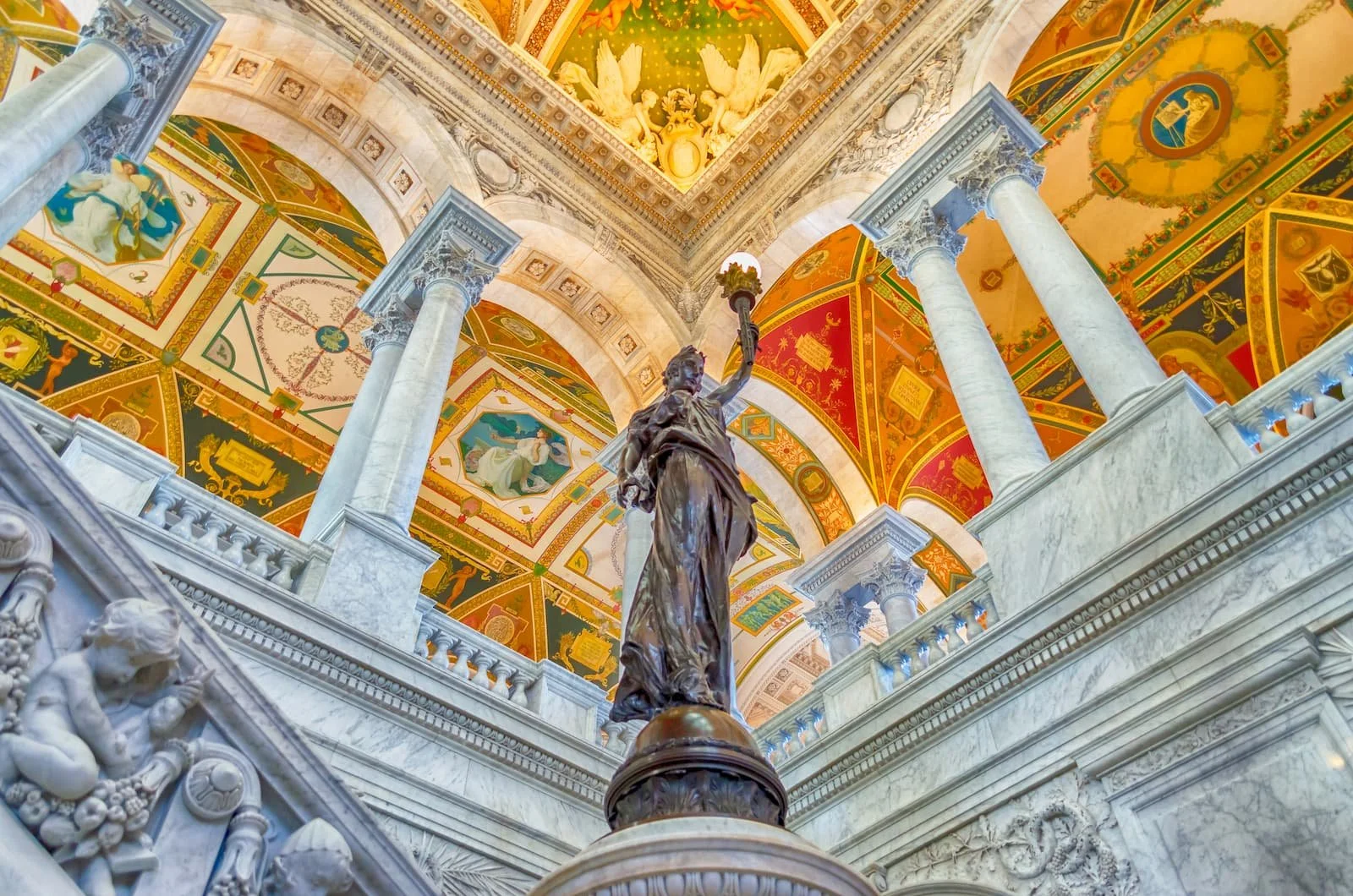
My public library experience here in Washington, D.C., has been subpar at best. And the District hosts some of the most fantastic libraries I’ve ever seen — the Library of Congress, the Folger Shakespeare Library, the Daughters of the American Revolution Library, and many other semi private libraries. But the public library experiences have been lackluster, even poor, in my experience. That was a core reason I started Trove.
There was a gap in options, and if there was a new book I wanted to read, forget about it. Libraries here in D.C. can't keep up with the number of people who want to read a brand-new book. One popular title, Yesteryear, had over a thousand people queued up to read the hardcover copy. That's beyond ridiculous to me — I'd just not put my name down at all than wait for a book to pass through a thousand hands first.
I understand if you're the type of person who prefers renting the e-book on Libby instead, even if that means waiting several weeks for the digital copy. Or the audiobook (definitely not for me; I can never follow along).*
Libraries typically stock hardcovers because, not only are they more durable, but books are almost always released as hardcovers before they come out in paperback. That’s just an industry thing. The more successful a new book is, the longer the hardcover remains the only option.

I love hardcover books. Seeing stacks of books piled up while writing a college essay always felt right. Now, the stack on my nightstand gives me options to peruse before bedtime. It still feels right.
But hardcovers are expensive. I understand why so many people overlook new novels they might love, because paying $100 to take home three books is unreasonable — and cost-prohibitive for a lot of readers.
At Trove, renting three books costs $45 with shipping and tax. That gets you the chance to try the book that caught your eye, or take a chance on something you might end up cherishing forever. You're not beholden to whatever the most popular novel everyone else has already read — you get to try something new, and hopefully something special to you.

Libraries are a wonderful use of public resources. But they don't always have what it takes to keep up with what readers want from them, especially when it comes to new book copies.
Trove is a way to make reading more available and accessible, and we're doing it as an independent bookseller, offering discounts on books your bookstore already has, new or used.
And if your library is amazing enough that you can walk in and check out Yesteryear the same day — I envy your experience, honestly. But paying $30 just to read a book isn't going to cut it for me. So if you want to think of Trove as a paid library, that's one way to look at it. I like to think of it more as an early Netflix, but of books.
_______________________
*What really irks me is that digital copies, in theory, don't have to be limited at all. That’s because there's no physical medium restricting one person’s consumption at a time — a digital copy could be read by unlimited people simultaneously. But that's a story for another day.